

Temporary
Six final weeks in a garden
‘Temporary’ from Latin temporarius “of seasonal character, lasting a short time,” from tempus (genitive temporis) “time, season”
When Paul and Rachel ‘Bunny’ Lambert Mellon were having two brownstones on East 70th Street, New York knocked together and renovated, they rented two adjacent apartments at the nearby Carlyle Hotel.
Meryl Gordon writes in her biography, ‘Bunny Mellon: The Life of an American Style Legend’:
“For a woman of Bunny’s rarified sensibilities, the prospect of living with standard hotel décor - even as a temporary measure - was unacceptable. Bunny insisted on renovating the Carlyle rentals before moving in, commissioning Paul Leonard to paint trompe l’oeil murals on the walls and making other alterations. “She was an eccentric,” recalls Lee Radziwill with a laugh. “She had the ceilings lowered in the Carlyle Hotel, while she was building her house. She was a very tall woman so that seemed ironic”
Bunny’s was a fascinating life. A life of unimaginable wealth and agonising grief. A life of loneliness, and a life through which passed Kennedys, Mitfords, Queen Elizabeth II, and many others.
Bunny designed a garden that was the backdrop for moments of modern history (the White House Rose Garden) until it was paved over by President Trump, and she found her deepest moments of peace simply pulling up weeds.
Bunny’s was a life of complexity and contradictions, of privilege and philanthropy, of deep joy and of unutterable sadness.
In short: a life.
I think this is why I love reading biographies and memoir above all other reading. It is why I was drawn to work in family law, and it is why I write: I am basically interested in people (including myself).
I spent the summer before law school began touring around different barristers’ chambers (I had long-since determined that I would be a barrister rather than a solicitor). I sat in with a media law barrister and a commercial law barrister, and then with a family law barrister.
I will never forget the first moment that I was in a family court. I knew, right then. It was like ‘Goldilocks and the Three Bears’ finding the right fit - but the protagonist was a brunette in sharp tailoring, and there were no bears.
I had struggled to stay awake in the stiflingly hot rooms of the commercial barrister while he read silently through the sweltering August week. With the media lawyer I was interested by not engaged. But family law instantly captured my attention. Family law is about people and their stories.
Anyway, back to Bunny’s renovated hotel suites.
A couple of weeks ago, I bought a lawn mower. This was after I had given notice to leave the Barn, and only a few weeks before I would no longer have a lawn. It’s giving ‘redecorating the Carlyle’.
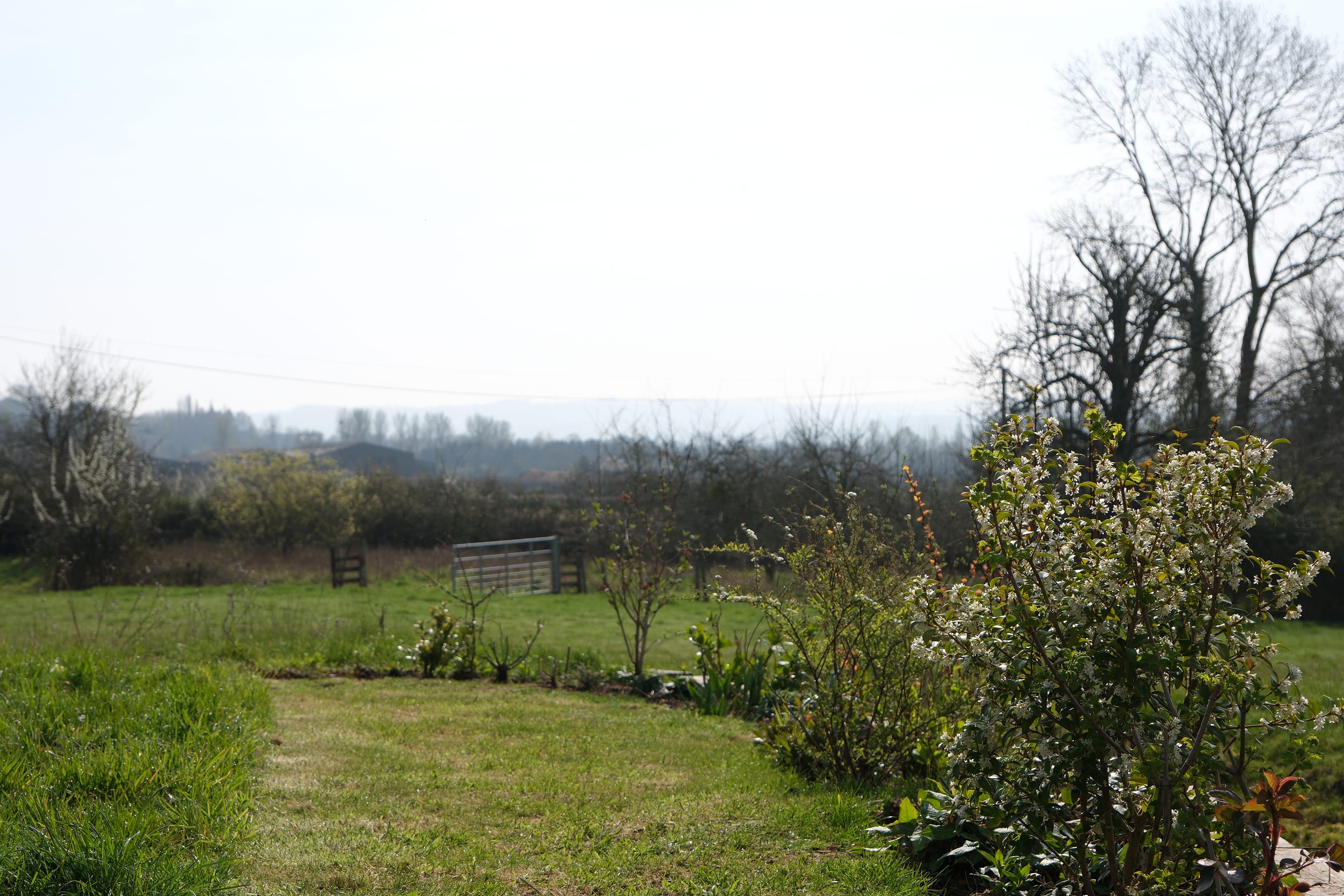
But what I realised as I paced around and surveyed the garden I have spent a year creating is that it is unfinished.
In her book ‘The Garden Against Time: In Search of a Common Paradise’, Olivia Laing writes:
“In my twenties, I’d read a list of rules for being, and was so impressed that I copied them into my little black notebook, which in those days was full of aphorisms and advice about how to be a person. The rule I liked best stated that it is alwas worth making a garden, no matter how temporary you stay. Perhaps they wouldn’t last, but wasn’t it better to go on like Johnny Appleseed, leaving draughts of pollen in your wake?”
My un-asked-for answer to this rhetorical question is: yes. It IS better.
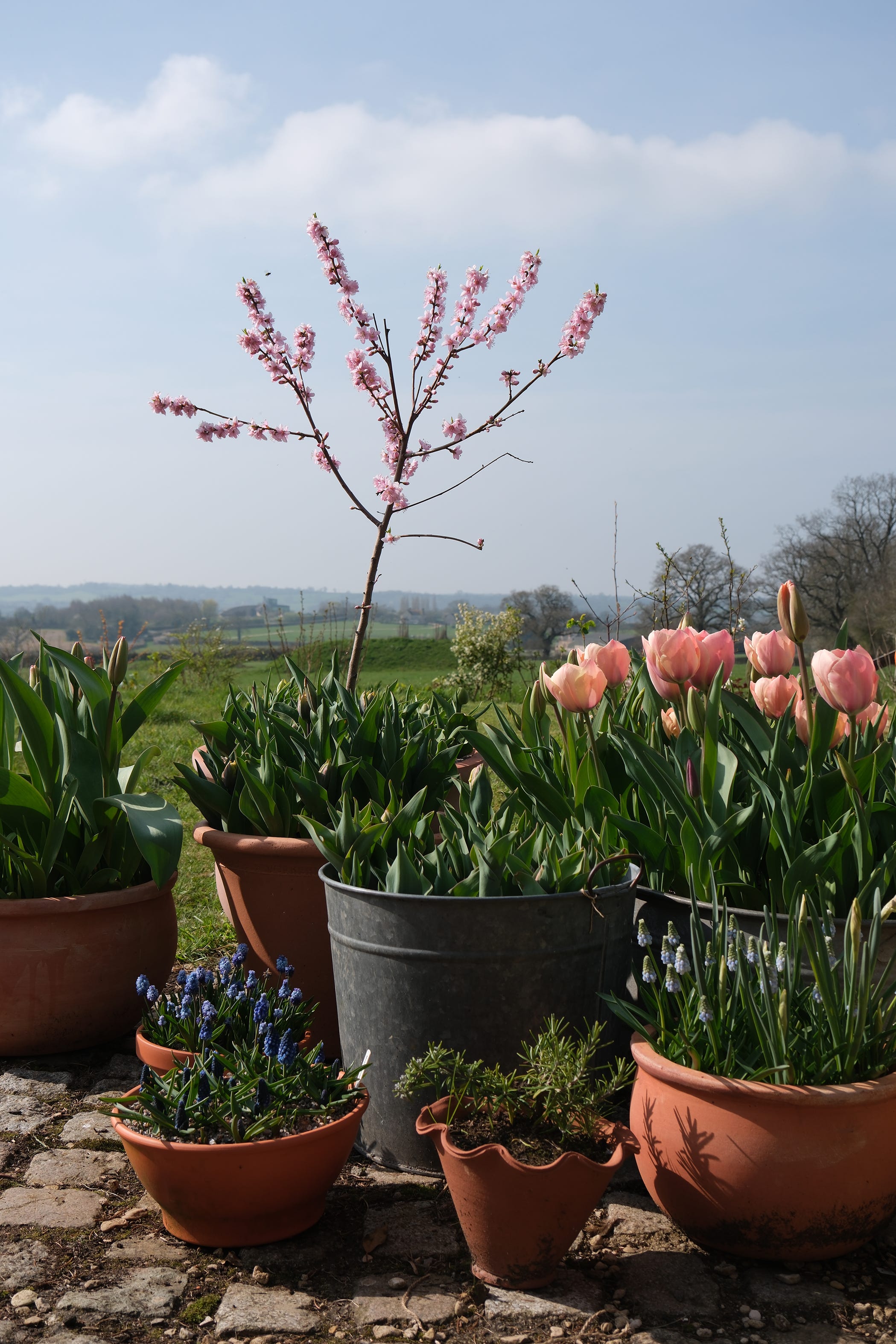
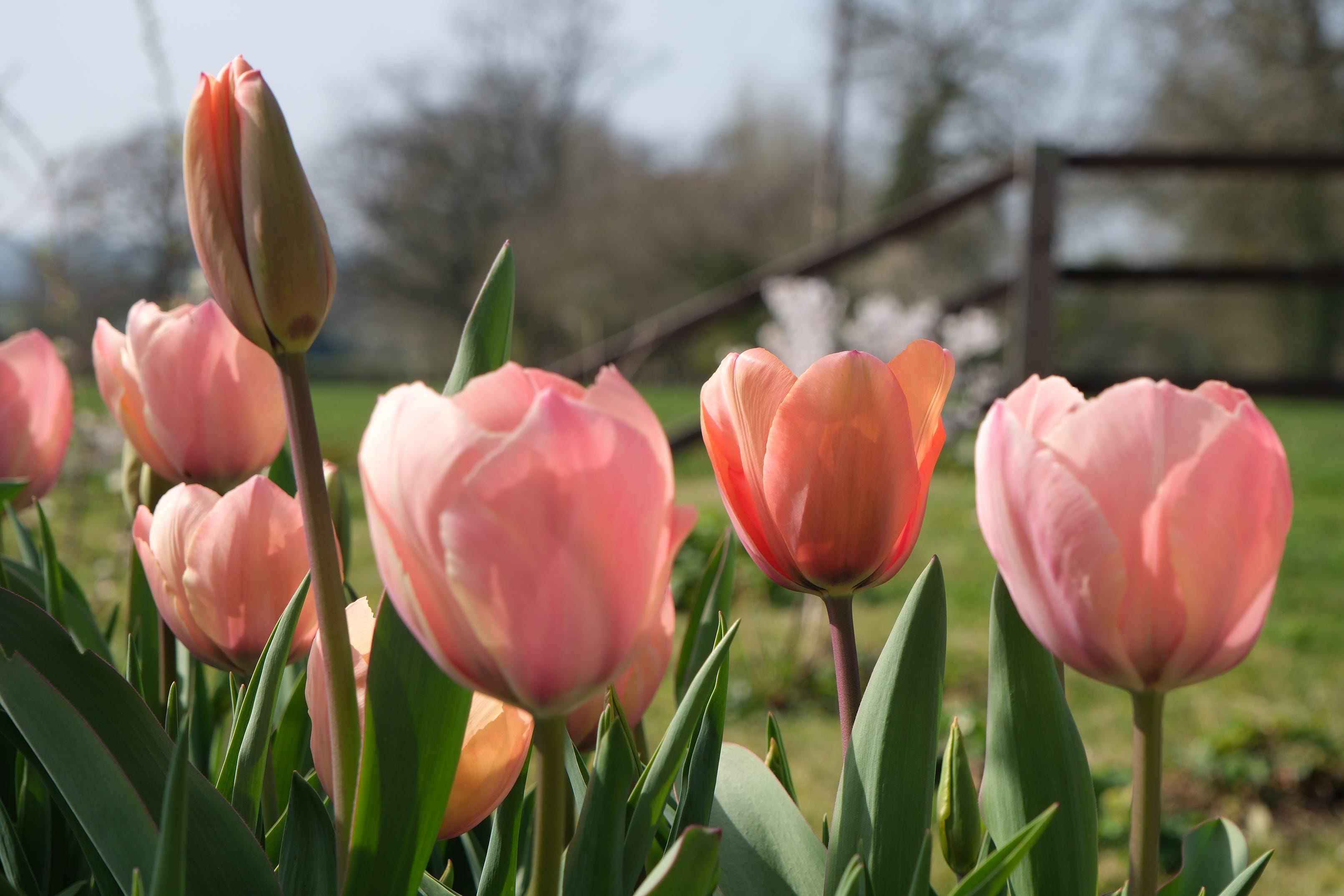
After all, I still have almost 6 weeks here, and in two weeks my brothers and their families are coming for Easter lunch and an egg hunt in the garden (a dream fulfilled). Those six weeks of March and April are among the best times to be in an English garden, so why on earth would I stop now?
Of course, my focus is different now. When I regain my health, I will be focusing on finishing the main ‘garden room’ that I started to create out of flowerbeds - there is only one small part of the flowerbed ‘wall’ left to dig out and plant up and I can’t bear to leave it not-quite-finished.
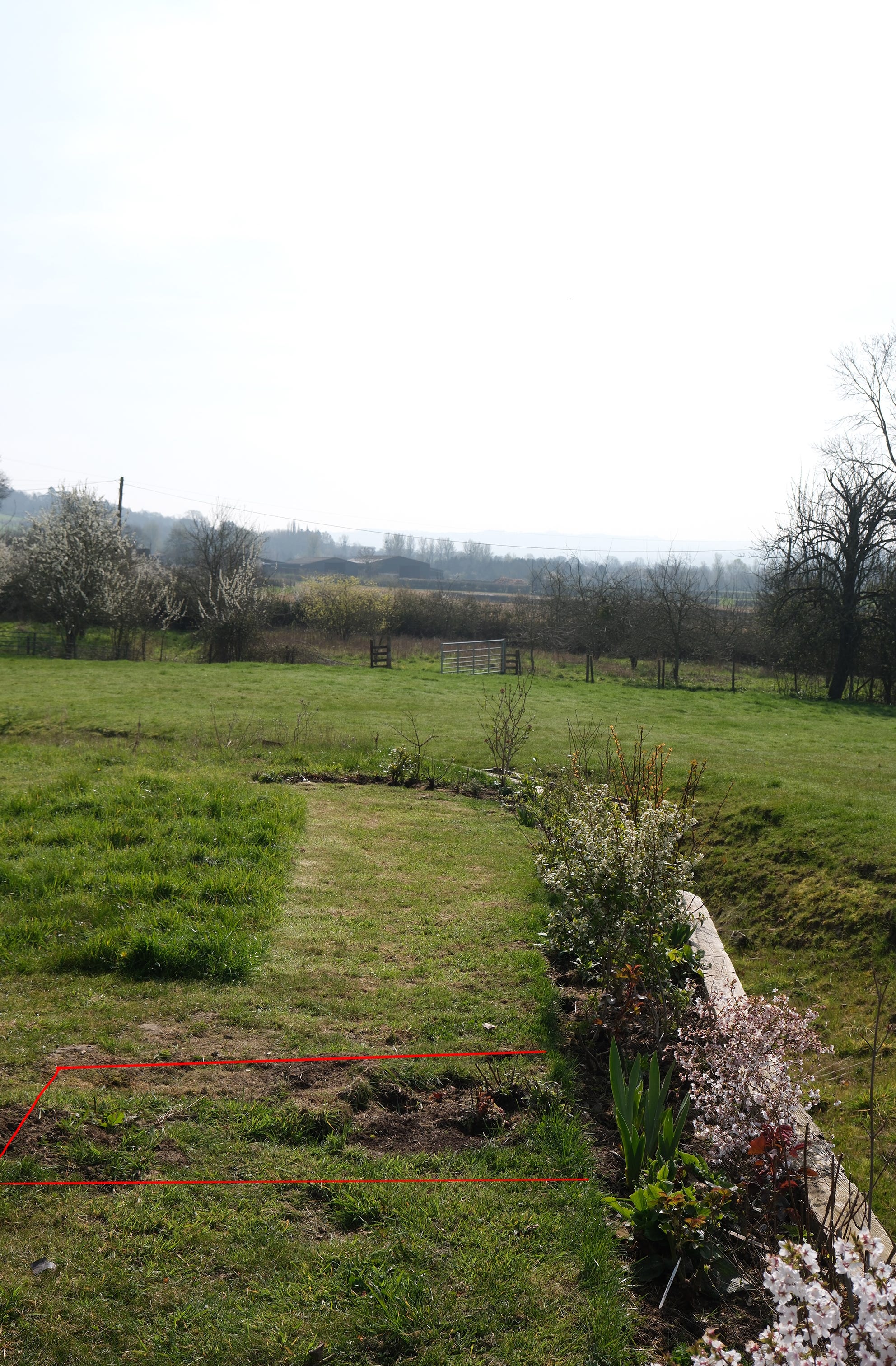
I won’t be planting anything that I won’t get to see flower in the next six weeks, but I can work on the little, square fruit beds that I had started, so that they look more intentional and integrated.
I can sow annual seeds to take back to London, and I can continue playing with mown paths through the rapidly and incessantly growing grass.
As much as anything else, I have two weeks to make this garden into the dreamscape that I want for when my nieces come to visit at Easter.
I don’t know what will happen to this garden after I leave. I can’t think about it too much. It is painful to think of. Will everything be ripped up and thrown onto the compost heap as soon as my car pulls out of the driveway? Will it be left untended, to die of exposure in the blistering sun? Will anyone come by to pick the weeks and weeks and weeks and weeks of roses when they bloom?
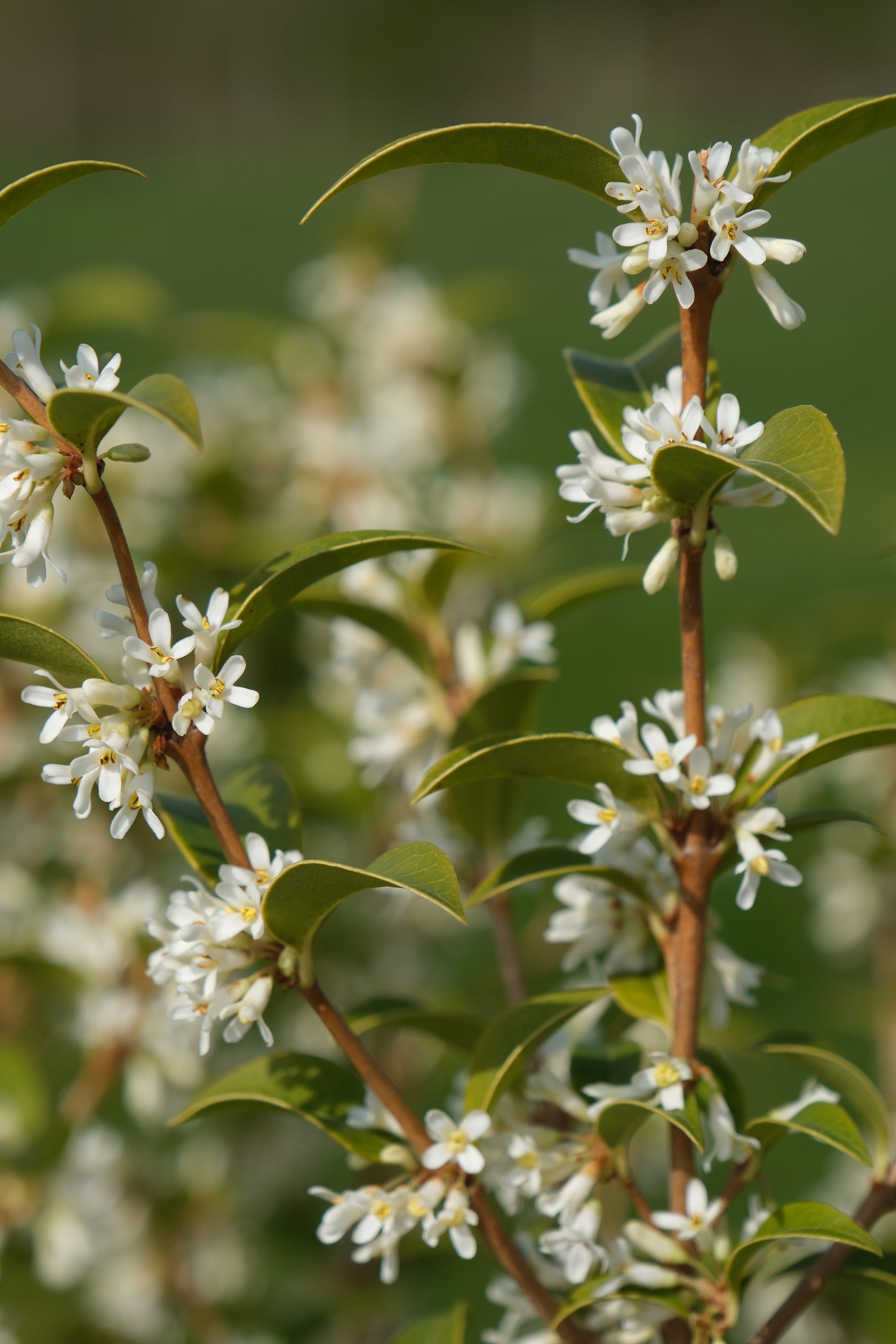
But then again, perhaps someone new will rent out the Barn and will fall in love with the garden I made - with the Calycanthus ‘Aphrodite’ and the Phlox that I planted in memory of my friend - and perhaps they will add vegetable beds to the fruit beds, just as I intended.
Am I’m mad? Should I suppress my compulsion to keep on gardening, to expend energy and time and precious, precious money? Perhaps.
But is it not madder still to waste six weeks of spring in an English garden?
Six weeks of spring in an English garden is to be treasured and maximised and dug into and enjoyed, and never, ever to be wasted or taken for granted or not-bothered-with.
Limited time is still time. And a temporary garden is still a garden. And for a little while longer I get to enjoy both my time and my garden here.
Gosh, this resonates. We spent 20 years living an ‘expat’ life so have moved many times, each time leaving behind a garden I had loved and tended. I can’t help myself; I think some of us are simply born to leave a mark on the places we live in this way - so carry on and may the sun shine on you often over the coming weeks. Xx
Brava!